
This complete guide to Morocco packing list covers everything you need to know: Everything to pack for Morocco — medina, Sahara, mountains, and beaches. Season-specific and honest.
What you pack for Morocco depends heavily on which Morocco you’re visiting: the scorching Sahara, the cool High Atlas, the cosmopolitan Marrakech, or the Atlantic coast. This list covers all scenarios and cuts the items you don’t need.
The Non-Negotiables (Bring Always)
- Daypack (20–30L) — for day trips and city exploring
- Unlocked phone — buy a local Maroc Telecom SIM at the airport ($5 with data)
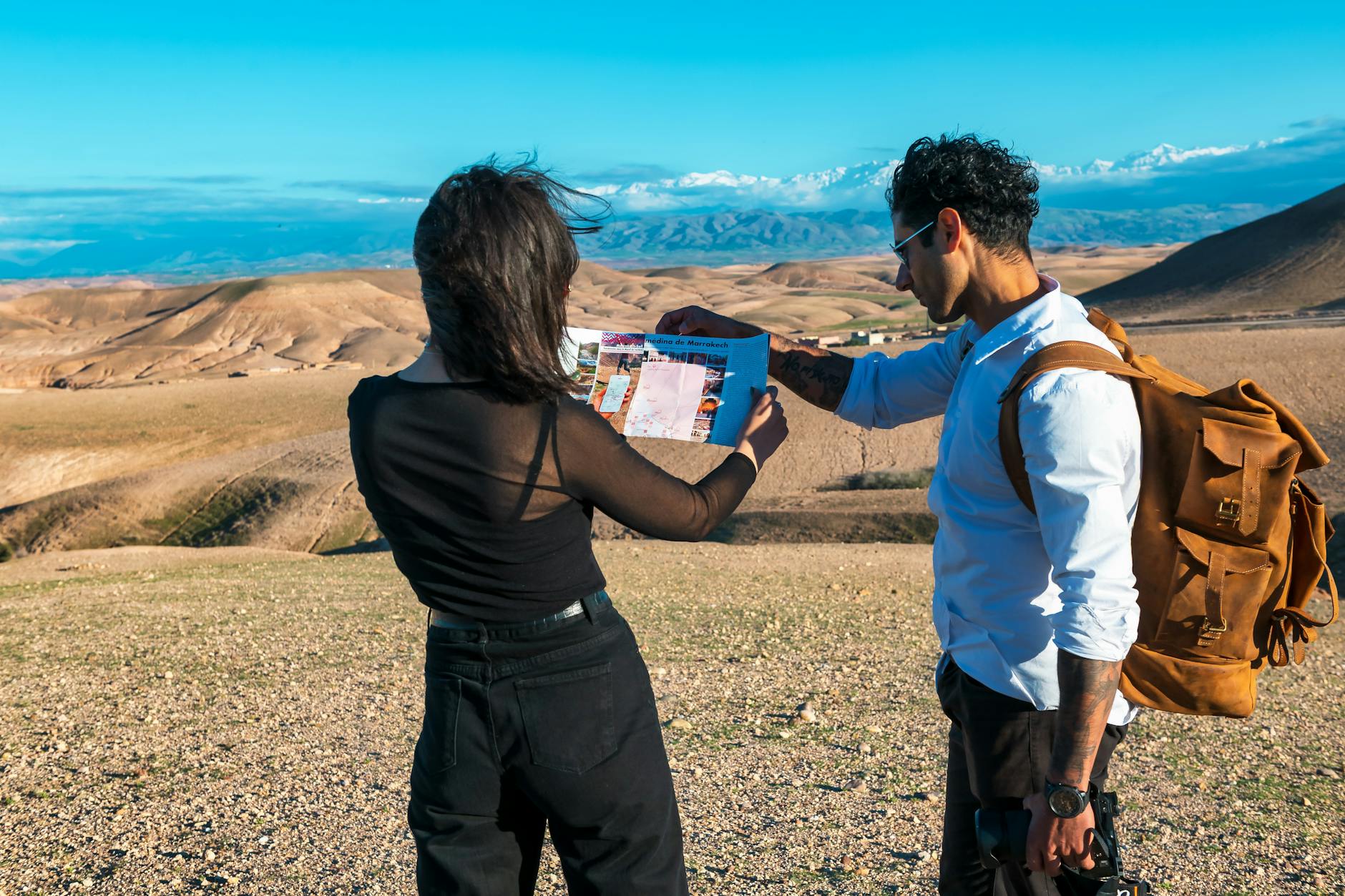
- Offline maps downloaded — Maps.me has excellent Fes medina tour guide detail. Download before arrival.
- Travel insurance documentation — physical and digital copy
- Passport — your hotel is legally required to keep a copy. Carry a photocopy with you.
- Sunscreen SPF50+ — local pharmacies stock it but at higher prices
- Small padlock — for hostel lockers and Morocco riad guide room security
Clothing: The Real Rules
Morocco is a Muslim-majority country with a range of dress norms depending on location. The practical guide:
In Cities and Medinas
Both men and women: shoulders and knees covered significantly reduces unwanted attention and shows cultural respect. This doesn’t mean formal clothing — a loose linen shirt and trousers work for both genders in any weather.
- Women: loose trousers or a maxi skirt, linen shirts or tunics, light scarf (serves as sun protection and shoulder cover)
- Men: light trousers (chinos or light cotton), t-shirt acceptable in tourist areas, shorts in Gueliz/Ville Nouvelle fine
In Coastal Areas (Essaouira travel guide, Agadir)
Significantly more relaxed. Shorts, summer dresses, and swimwear near the beach are normal. Still cover up when walking through the medina.
In Luxury Riads and Hotels
No restrictions. Swimwear at the riad pool, dress as you would at any European hotel.
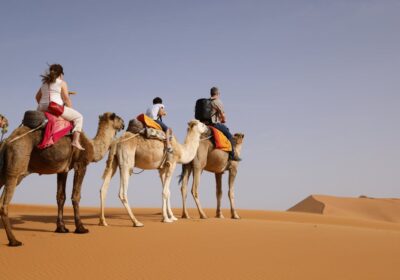
For the Marrakech to Sahara desert tour (Must-Haves)
- Warm layer for nights — even in summer, desert nights drop 15–20°C from daytime temperatures. October to April: a proper fleece or light down jacket is essential.
- Headscarf or buff — for the camel trek and sandboarding. Fine sand gets everywhere.
- Closed shoes — for camel treks and dune walks. Hot sand burns bare feet.
- Lip balm — desert air is exceptionally dry
- Headlamp — camps are dimly lit, dune walks in the dark without a light is disorienting
- Sunglasses (wraparound style) — desert sun and sand require proper coverage
- Water bottle (1.5L minimum) — refill at camp; the Sahara dehydrates fast
Full Sahara context in our camel trekking guide.
For Atlas Mountains Day Trips
- Light hiking shoes or trail runners (not sandals)
- A fleece or windproof layer — Imlil is 8–12°C cooler than Marrakech
- Trekking poles (optional — helpful on steep descents)
Full context in our Atlas Mountains day trip guide.
Seasonal Packing Adjustments
Spring (March–May)
Pack as for Mediterranean spring: light layers, a rain-resistant outer layer, and one warmer option for the desert. This is the most comfortable packing challenge — no extremes.
Summer (June–August)
Minimum clothing, maximum sun protection. A wide-brim sun hat is non-negotiable. Still bring one light sweater for over-air-conditioned riads and restaurants.
Autumn (September–November)
Similar to spring. Desert nights get cold from late October — bring a proper fleece or light down for camps.
Winter (December–February)
Marrakech requires a proper jacket (evenings reach 8–10°C). The Sahara at night in January can hit 4°C — a sleeping bag liner for the best desert camps in Merzouga is worth carrying. Mountain areas may have snow.
What to Leave Behind
- Hair dryer — every riad provides one
- Towels — provided everywhere
- Multiple pairs of shoes — two pairs max (comfortable walking shoes + one pair for evenings)
- Expensive jewellery — unnecessary and creates a target
- Your entire wardrobe — Morocco has excellent cheap shopping. You’ll buy things. Leave space.
Pharmacy Items (Buy in Morocco or Bring)
- Anti-diarrhoeal (Imodium) — useful first few days as your stomach adjusts
- Rehydration sachets (ORS) — essential for Sahara days
- Antihistamine — desert dust affects some travellers
- Antiseptic wipes — public surfaces in medinas
All available at Moroccan pharmacies (pharmacie) which are numerous and well-stocked. Staff often speak French and some English.
Frequently Asked Questions: Morocco Packing List
Can women wear shorts in Morocco?
In tourist-facing areas and coastal cities, shorts are worn by tourists without incident. In traditional medinas, longer trousers or skirts are more comfortable and respectful. Read our full Morocco safety and cultural guide for context.
Do I need adapters for Morocco?
Morocco uses Type C and Type E plugs (same as continental Europe, 220V). If you’re from the UK or USA, bring an adapter. Universal travel adapters work fine.
Can I drink tap water in Morocco?
Stick to bottled water. Tap water in most cities is technically treated, but tourists’ stomachs are not acclimatised. Bottled water costs 5–10 MAD (50 cents–$1) everywhere.
Further Reading & Official Resources
Further Reading & Official Resources
Plan Your Morocco Trip with Desert Tripper
Desert Tripper is a Marrakech-based tour operator specialising in private Sahara desert tours, city breaks, and custom Morocco itineraries. Our team of licensed local guides has been leading travellers through Morocco’s most extraordinary landscapes for over a decade.
We offer:
- Private 3-day Sahara tours from Marrakech or Fes — fully customised for your group
- Luxury desert camps in Merzouga — private tents, en-suite bathrooms, candlelit dinners in the dunes
- Custom Morocco itineraries — 7, 10, or 14 days, built around your interests and budget
Get a free custom quote — we respond within 12 hours with a tailored itinerary for your dates and group size.