
This complete guide to Morocco desert photography covers everything you need to know: The Morocco photography guide — best spots, golden hour timing, Sahara dune tips, and the shots that actually work.
Morocco is one of the world’s great photography destinations — the layered geometry of the medinas, the scale of the Sahara dunes, the blue streets of Chefchaouen travel guide, the golden light of Erg Chebbi vs Erg Chigaga at dawn. Here’s the practical guide to getting the shots, not just visiting the locations.
The Golden Hours in Morocco
Morocco’s light is exceptional for two reasons: low latitude (intense colour) and landscape scale (long shadows). The golden hour rule is more important here than anywhere else in the Mediterranean region:
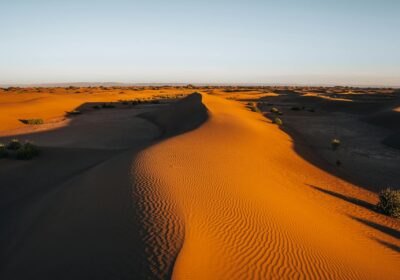
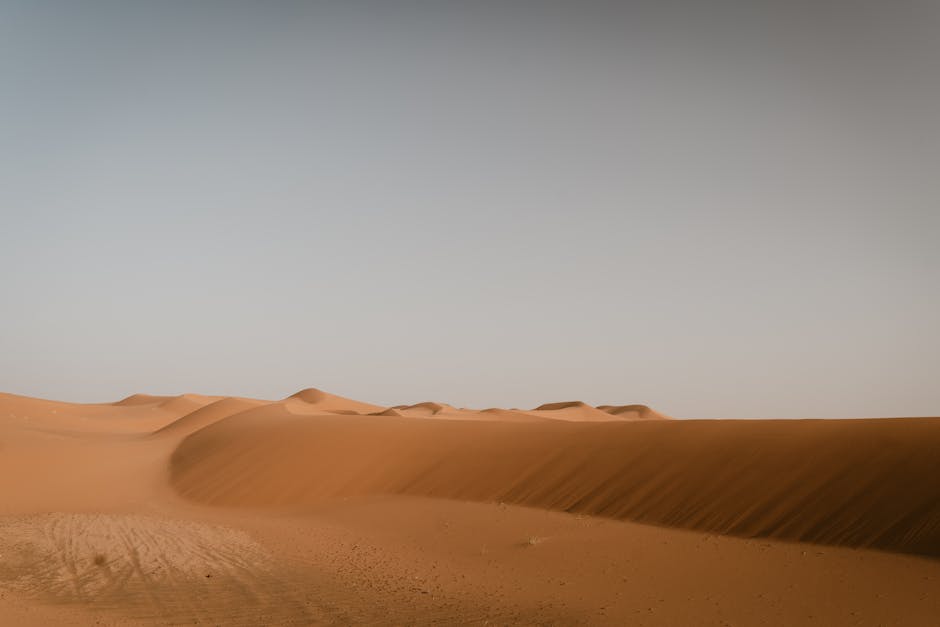
- Sahara dunes: The 45 minutes after sunrise and 45 minutes before sunset transform the sand from flat gold to three-dimensional sculpture. Any other time the dunes look flat and overexposed.
- Chefchaouen: Morning light (07:00–09:00) hits the blue walls at a low angle that creates the depth and richness you see in professional photos. Midday is flat and harsh.
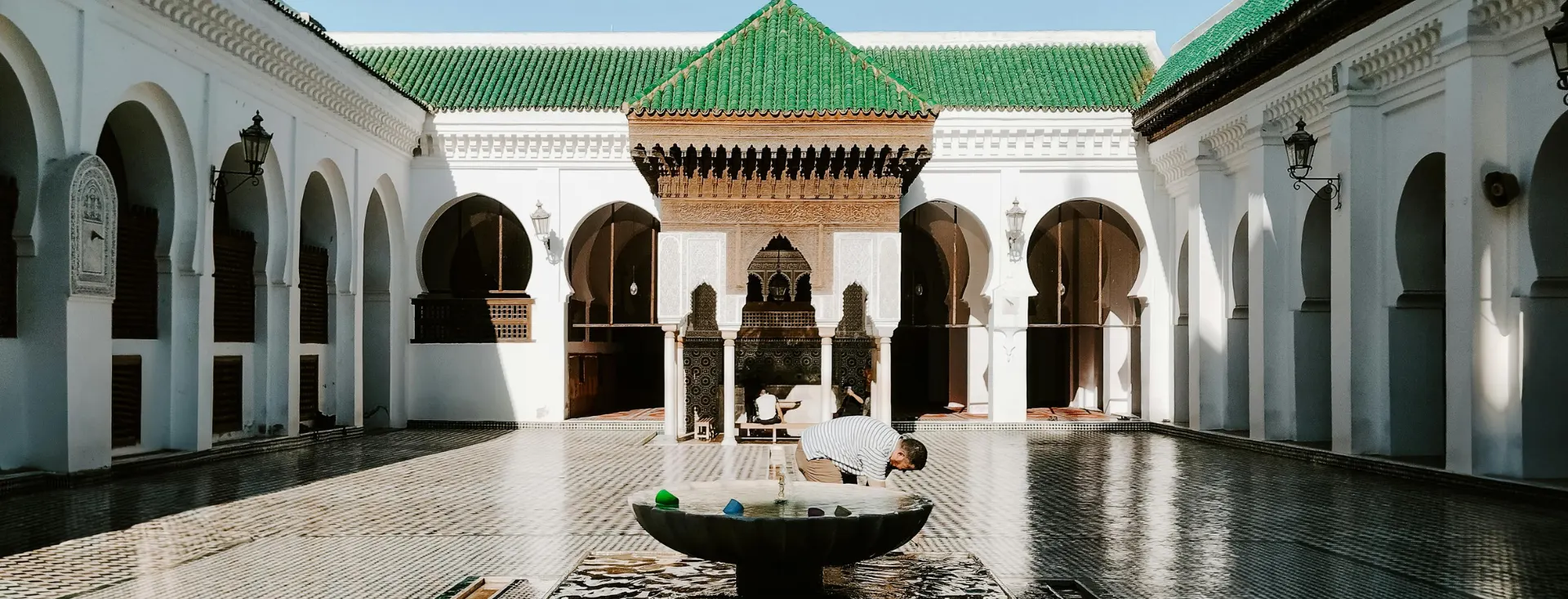
- Fes tanneries: Morning light (09:00–11:00) illuminates the dye vats from the east. Afternoon, the tanneries are in shade.
- Marrakech medina: Late afternoon (16:00–18:00) turns the red walls copper. The souks are at their best atmospheric light around 17:00.
Best Morocco Photography Locations
1. Erg Chebbi Dunes, Merzouga — Dawn and Dusk
The 150m orange dunes of Erg Chebbi are Morocco’s most photographed landscape — and deservedly so. Key shots:
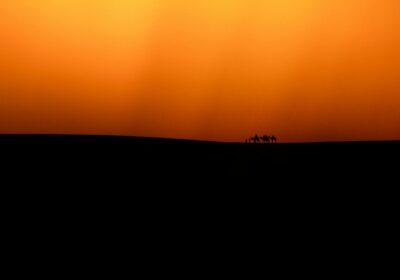
- Dune ridgeline silhouette: Position yourself at the base of the main ridge, shoot up against the sunrise sky — camel silhouettes are the classic composition
- Wind patterns: After wind, the dune faces have perfect ripple textures — photograph within the first hour of morning before footprints disturb the sand
- Wide angle landscape: From the top of the highest dune, a 16–24mm lens captures the scale of the erg extending to the horizon
Stay in a desert camp: the best photography position is inside the erg, not from the edge. See: best Merzouga desert camps.
2. best day trips from Marrakech — Golden Hour
The kasbah photographs best in late afternoon when the western facade turns deep gold. Cross the riverbed and shoot from the east bank for the classic full-kasbah composition. Early morning is second-best — the mist over the river in spring adds atmosphere. Avoid midday.
3. Chefchaouen — Morning Blue
The blue city is at its best between 07:00 and 09:00 — before the day-trippers arrive from Fes. The Ras el Ma area (the waterfall and laundry springs at the medina’s edge) is the most photogenic and least-crowded section. The Spanish Mosque viewpoint above the city gives the full blue-medina-in-the-mountains composition — reach it at sunrise (20-minute uphill walk).
4. Fes Tanneries — Elevated Perspective
The Chouara tanneries are only photographable from the leather shops’ terraces above — no ground-level photography access. The shops will let you onto their terrace (with the expectation, but not requirement, that you look at their wares). Best composition: a wide-angle shot including workers, dye vats, and the medina roofscape beyond. Shoot at 09:30–11:00.
5. Todra Gorge — Canyon Light
The gorge receives direct sunlight for about 1 hour after sunrise and 1 hour before sunset. At these moments the 300m walls turn amber. Shoot from the canyon floor looking up — the scale is best expressed by including a person for reference. A 24mm lens captures the walls on both sides simultaneously. See: Todra Gorge guide.
6. Marrakech Marrakech 3-day itinerary — Night
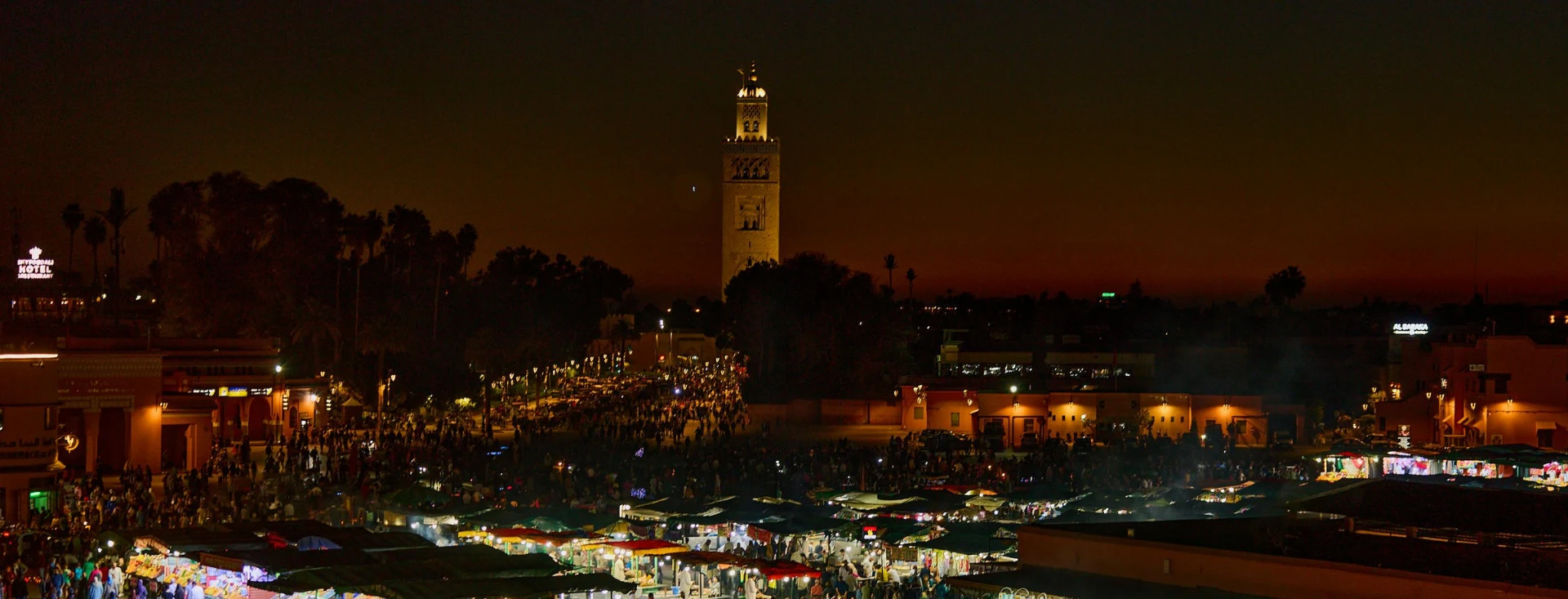
The square transforms at night — smoke from the grill stalls, orange neon, the minaret of the Koutoubia lit in the background. Shoot from a rooftop café with a 50–85mm equivalent lens. ISO 1600–3200, f/2.8, 1/60s. The smoke creates natural atmosphere. Arrive at 20:30 when the stalls are in full operation.
Gear Recommendations for Morocco
- Camera: Any mirrorless or DSLR — the scenes are forgiving. A smartphone with a good camera (iPhone 15 Pro, Pixel 8) produces publishable results at most locations.
- Lens range: 16–35mm for dune landscapes and medina architecture; 50–85mm for portraits and compressed street scenes
- Filters: A polariser for dune photography (cuts glare, deepens sky blue). An ND filter for long-exposure water shots (Ouzoud waterfalls, Essaouira travel guide sea)
- Tripod: Essential for night and dawn desert photography. A travel tripod (carbon fibre, 1.2kg) is worth bringing.
- Dust protection: The Sahara and desert roads are dusty. A dust-proof camera bag or a plastic bag inside your pack protects lens mounts.
- Extra batteries: Cold desert nights and heat drain batteries faster than normal. Bring two batteries minimum.
Photography Etiquette in Morocco
- Portraits: Always ask permission before photographing people — “Photo, minfadlak?” (May I take a photo, please?). Most Moroccans are happy to oblige; many will ask for a small tip ($0.50–1). Accept graciously.
- Tannery workers: Do not photograph tannery workers without asking — it’s intrusive and disrespectful
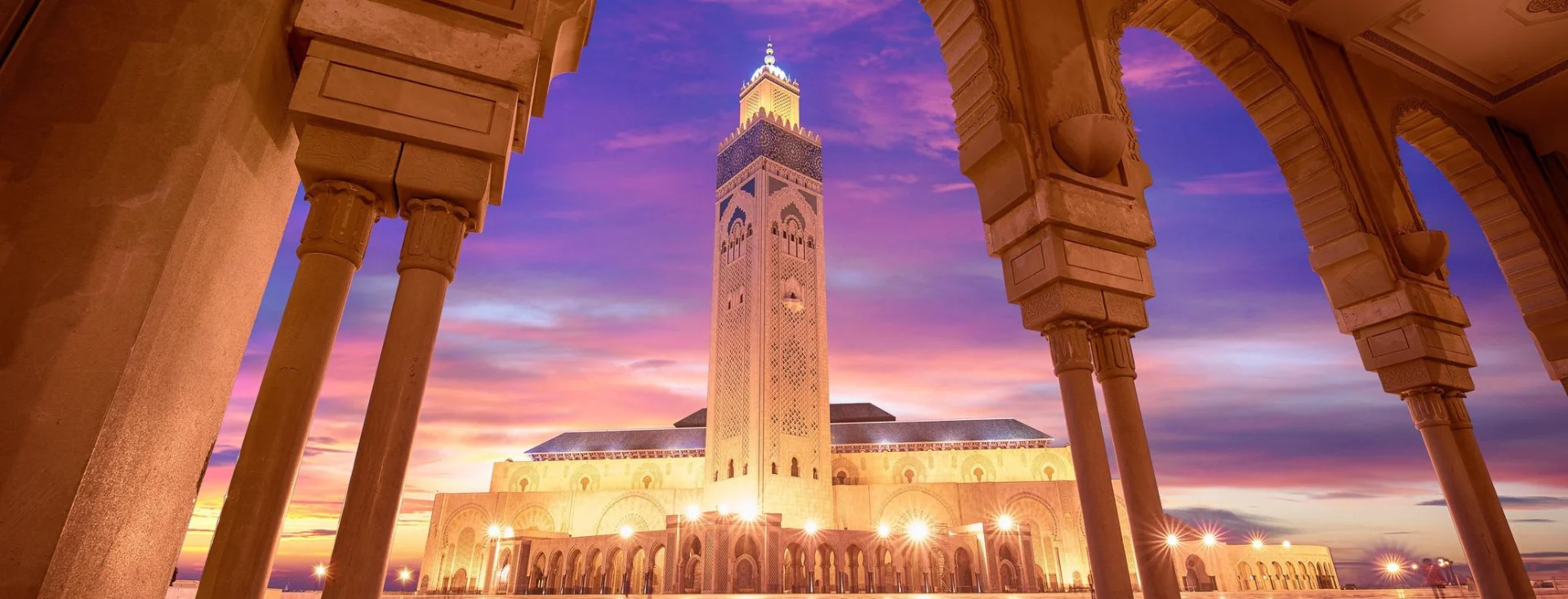
- Inside mosques: Non-Muslims are not permitted inside active mosques in Morocco. The Hassan II Mosque in Casablanca is the exception (guided tours available)
- Children: Always photograph children with parents’ visible consent. Never photograph children without parental permission.
Frequently Asked Questions: Morocco Desert Photography
Is the Sahara photography worth staying two nights for?
Absolutely — one night gives you one sunset and one sunrise. Two nights gives you the chance to explore different dune positions, photograph after windstorm ripples reset the sand, and capture the full range of lighting conditions. The second morning light is often better than the first because you know where to position yourself.
Can I fly a drone in Morocco?
Drone use is technically regulated in Morocco — a permit is required from ANRT (Agence Nationale de Réglementation des Télécommunications). In practice, drone use is common in the desert where no-fly zones are absent. Near airports, military areas, and medinas, drones are prohibited. If you bring a drone, check current ANRT regulations before flying.
Further Reading & Official Resources
Further Reading & Official Resources
Plan Your Morocco Trip with Desert Tripper
Desert Tripper is a Marrakech-based tour operator specialising in private Sahara desert tours, city breaks, and custom Morocco itineraries. Our team of licensed local guides has been leading travellers through Morocco’s most extraordinary landscapes for over a decade.
We offer:
- Private 3-day Sahara tours from Marrakech or Fes — fully customised for your group
- Luxury desert camps in Merzouga — private tents, en-suite bathrooms, candlelit dinners in the dunes
- Custom Morocco itineraries — 7, 10, or 14 days, built around your interests and budget
Get a free custom quote — we respond within 12 hours with a tailored itinerary for your dates and group size.