
This complete guide to Merzouga village covers everything you need to know: Merzouga beyond the camel trek — Khamlia Gnawa music, fossil workshops, oasis villages, and quad bike adventures.
Most visitors to Merzouga experience it as a single evening: camel trek, desert camp, sunrise. That’s extraordinary — but Merzouga itself and the surrounding villages offer two or three days of genuinely interesting experiences beyond the dunes. Here’s what most tour guides don’t show you.
The Village of Merzouga
Merzouga is a small Berber town (population approximately 3,000) at the edge of Erg Chebbi. It has one main street lined with tour agencies, cafés, and accommodation. The town itself is not a traditional medina — it’s a modern desert settlement that grew with tourism. What makes it remarkable is its position: the sand starts literally where the last building ends, and the 150m orange dunes of Erg Chebbi rise from nothing in an instant.
Khamlia — The Gnawa Village
Five kilometres south of Merzouga, the village of Khamlia is the most culturally significant stop in the region — and the least-known among tourists. Khamlia is a village of descendants of sub-Saharan slaves brought to Morocco centuries ago. They maintain the Gnawa musical tradition — a trance-healing ritual using the three-stringed guembri bass and iron castanets that is unlike any music you’ve heard before.
The village receives small groups who want to witness (and participate in) a genuine Gnawa performance. This is not a tourist show — it’s a living cultural practice. Arrive in the morning, drink Berber tea, and listen to a 30-minute performance. Donation to the musicians is appropriate ($5–10pp). Your guide can arrange this; alternatively visit independently and ask for the community centre.
Fossil Workshops in Erfoud
40km north of Merzouga, Erfoud is the fossil capital of Morocco. The surrounding rock contains 350-million-year-old marine fossils from when the Sahara was an ocean floor — ammonites, trilobites, and orthoceras are the most common. The fossil workshops process raw rock into polished tiles, table tops, and decorative pieces. Worth a 30-minute visit to see the process. Buy genuine fossils here, not from souvenir shops (where most “fossils” are plaster casts). Prices: small polished ammonite $5–15; a full trilobite in matrix $30–80.
The Merzouga Lake (Dayet Srij)
In wet years (November–March), a shallow seasonal lake forms 3km north of Merzouga. The lake attracts flamingos, rare migratory birds, and — in spring — the extraordinary sight of pink flocks against orange dunes. The timing is unpredictable (no lake in dry years) but in good years it’s extraordinary. Ask locals or your guide whether the lake has formed this season.
Quad Biking and 4×4 Dune Driving
Several operators in Merzouga offer:
- Quad bikes: 1-hour dune ride, $35–50 per quad. Best in the morning when sand is cool and wind minimal.
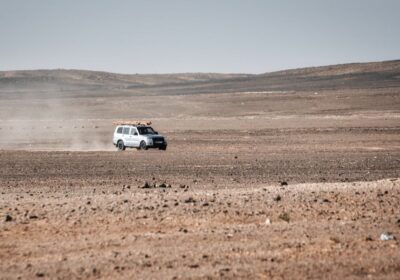
- 4×4 dune driving: A full morning with a Berber 4×4 driver through the interior of Erg Chebbi, reaching sections the camel treks don’t access. $60–80 for the vehicle (4 passengers). More dramatic and faster than camel trekking in Morocco.
- Sandboarding: Rent a board from your camp or a Merzouga shop ($5/hour) and slide down the dune faces. Best in the afternoon when the sand is slightly cooled.
The Oasis Villages South of Merzouga
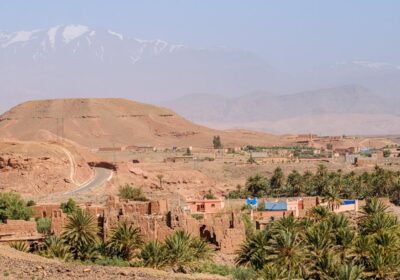
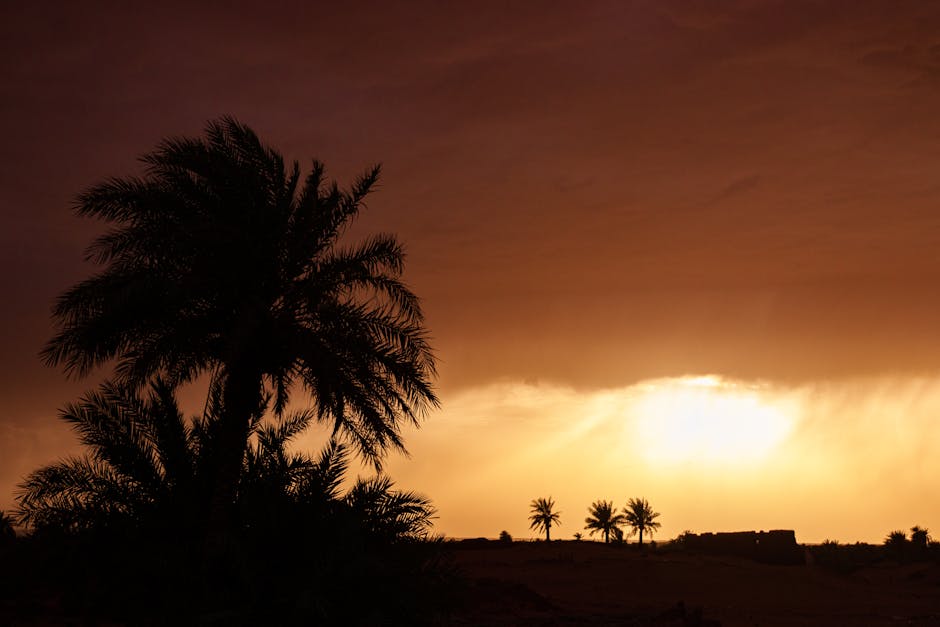
The road south of Merzouga runs along the Algerian border through a series of palm oasis villages — Taouz, Mfiss, and the ancient ruins of Mhamid el Ghizlane. These villages see almost no tourists, maintain a traditional pace, and offer extraordinary quietude. A half-day drive south with a local guide (not included in most tours) reveals a completely different face of the Sahara.
Stargazing in Merzouga
The Merzouga area has zero light pollution — one of the darkest sky zones in North Africa. On a new moon night (check lunar calendar before booking), the Milky Way is visible as a solid band overhead. Some desert camps offer stargazing sessions with a telescope. The best months for Milky Way Morocco desert photography guide: March–October. December–January for the winter sky (Orion, Pleiades, and the greatest star density).
Practical Merzouga Information
- Getting there: 560km from Marrakech (7–8 hours by car via Ouarzazate and the N10), or 490km from Fes (7 hours via the Middle Atlas). No train or direct bus service.
- ATM: One ATM in Merzouga village (often empty). Withdraw cash in Erfoud before arriving.
- Mobile signal: Maroc Telecom has intermittent signal in Merzouga; almost none in the desert camp. This is a feature, not a bug.
- Best time: October–April. Avoid July–August (45°C+). See full breakdown: best time to visit Morocco.
Frequently Asked Questions: Merzouga Village
How many nights should I spend in Merzouga?
Two nights is ideal. One night gives you a sunset, one sunrise, and a desert camp experience. Two nights adds a full second day — Khamlia, quad biking or 4×4 dune tour, Erfoud fossils, and a better selection of photography positions. See: best Merzouga desert camps.
Is Merzouga the only Marrakech to Sahara desert tour in Morocco?
No — Erg Chigaga (near Zagora in the south) is Morocco’s other major dune field, larger but more remote. See the full comparison: Erg Chebbi vs Erg Chigaga.
Further Reading & Official Resources
Further Reading & Official Resources
Plan Your Morocco Trip with Desert Tripper
Desert Tripper is a Marrakech-based tour operator specialising in private Sahara desert tours, city breaks, and custom Morocco itineraries. Our team of licensed local guides has been leading travellers through Morocco’s most extraordinary landscapes for over a decade.
We offer:
- Private 3-day Sahara tours from Marrakech or Fes — fully customised for your group
- Luxury desert camps in Merzouga — private tents, en-suite bathrooms, candlelit dinners in the dunes
- Custom Morocco itineraries — 7, 10, or 14 days, built around your interests and budget
Get a free custom quote — we respond within 12 hours with a tailored itinerary for your dates and group size.