
This complete guide to Chefchaouen travel guide covers everything you need to know: The complete guide to Morocco’s blue city — the best photo spots, where to eat, and everything you need to plan the perfect Chefchaouen visit.
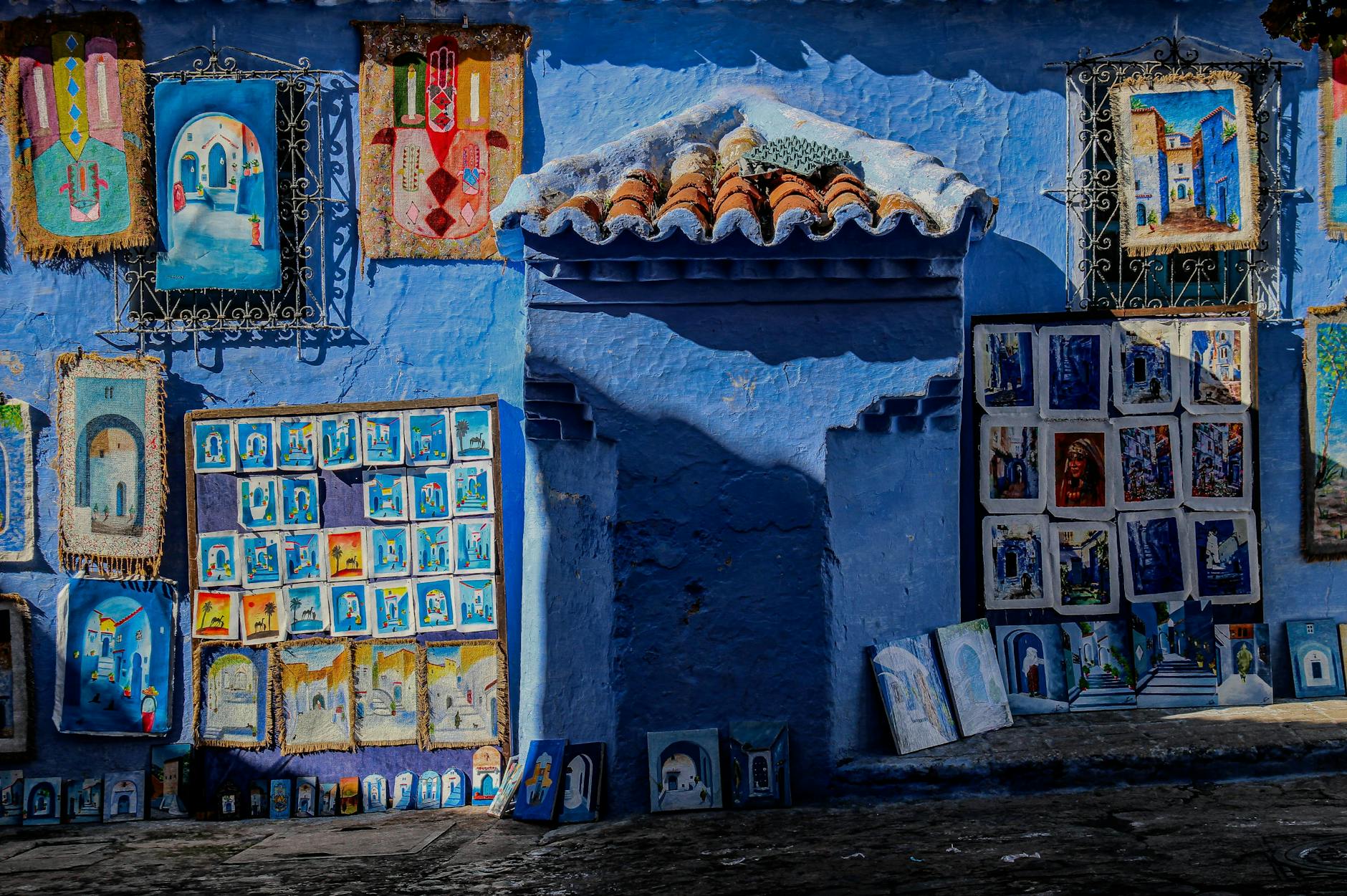
Chefchaouen is unlike anywhere else in Morocco — or anywhere else in the world. A mountain city in the Rif where nearly every wall, stairway, and flower pot is painted in fifty shades of blue. The effect is surreal and genuinely beautiful. Here’s everything you need to visit it properly.
Why Is Chefchaouen Blue?
The blue tradition is genuinely debated. The most cited explanation: Jewish refugees who fled the Spanish Inquisition in 1492 and settled in Chefchaouen painted their streets blue to represent the sky, heaven, and the colour of divinity in Jewish tradition. The practice spread and was adopted by Berber families. Today, the city’s blue identity is maintained as both cultural heritage and — pragmatically — major tourism draw. It works on both counts.
When to Visit Chefchaouen
The best time is March–May and September–November. Spring brings wildflowers in the surrounding Rif Mountains; autumn has golden light perfect for Morocco desert photography guide. Summer (June–August) is busy but not unbearably so — unlike Marrakech, Chefchaouen’s 600m altitude keeps temperatures comfortable (26–30°C vs 40°C on the plains). The blue looks particularly vivid in morning light from 07:00–10:00.
Where to Go in Chefchaouen
The Medina (Old City)
The entire old city is a blue labyrinth of photogenic alleys. Don’t try to follow a map — get lost deliberately. The best photography alleys are in the upper medina near the Kasbah, particularly Rue Targhi and the staircases above the main plaza. Morning is essential: by 10:00 the alleys fill with photographers and the magic is partially broken.
Uta el-Morocco hammam guide Square
The central plaza lined with restaurant terraces, bordered by the Grand Mosque and the Kasbah museum. This is where you eat, drink mint tea, and watch the medina life unfold. The Kasbah museum ($2 entry) has a lovely rooftop terrace with views over the blue rooftops.
Spanish Mosque Viewpoint
A 45-minute uphill walk from the medina (or 5 minutes by taxi to the top) reaches the Spanish Mosque ruins on the hillside above the city. The panoramic view of the blue medina against the Rif Mountains backdrop is the single best view in Chefchaouen. Go for sunrise if you can.
Ras el-Maa Waterfall
A 10-minute walk from the central plaza — a spring-fed waterfall where local women still wash clothes in the traditional way. Peaceful, photogenic, and free. The path continues uphill into the Rif forest.
How to Get to Chefchaouen
- From Fes: 2.5–3 hours by CTM bus ($8) or private car. The mountain road is scenic.
- From Tangier: 2.5 hours by bus or grand taxi. Easy connection from the ferry port.
- From Marrakech: 6+ hours — best combined with a Fes stop as part of a longer Morocco itinerary.
Where to Eat in Chefchaouen
- Bab Ssour — the best tagine in town, outdoor terrace, $12–18
- Restaurant Tissemane — rooftop views, excellent bastilla, $15–22
- The local kefta stall on Uta el-Hammam at lunch — $4, the best street food value in the city
- Lala Mesouda — home cooking by a local family, booked in advance, $20 set menu
How Long to Stay
One night minimum, two nights ideal. One full day gives you the morning photography golden hour, a leisurely medina walk, the Spanish Mosque viewpoint at sunset, and an evening on the plaza. A second day allows a half-day hike into the Rif Mountains and exploration of the slower neighbourhoods outside the tourist core.
What Chefchaouen Is Actually Like
Here’s the honest version: Chefchaouen is extremely well-optimized for Instagram and increasingly tourist-centric in its central area. The blue is maintained and extended for tourism. That said, the beauty is entirely genuine, the mountains surrounding it are spectacular, and the Rif Berber culture in the outer neighbourhoods is authentic and welcoming. Go with realistic expectations and you’ll love it.
Frequently Asked Questions: Chefchaouen Travel Guide
Is Chefchaouen worth visiting?
Yes, unequivocally. Even accounting for the Instagram hype, the blue medina is genuinely beautiful and the Rif Mountain setting is spectacular. It’s different enough from Fes and Marrakech to be worth the detour.
Is Chefchaouen safe?
Very safe. It’s a small mountain city with a quiet, friendly atmosphere. Our Morocco safety guide covers the broader context.
Can I do Chefchaouen as a day trip?
From Fes or Tangier, a day trip is possible but rushed. The magic of Chefchaouen is the early morning light and the evening quiet after day visitors leave — both require an overnight stay to experience.
Further Reading & Official Resources
Further Reading & Official Resources
Plan Your Morocco Trip with Desert Tripper
Desert Tripper is a Marrakech-based tour operator specialising in private Sahara desert tours, city breaks, and custom Morocco itineraries. Our team of licensed local guides has been leading travellers through Morocco’s most extraordinary landscapes for over a decade.
We offer:
- Private 3-day Sahara tours from Marrakech or Fes — fully customised for your group
- Luxury desert camps in Merzouga — private tents, en-suite bathrooms, candlelit dinners in the dunes
- Custom Morocco itineraries — 7, 10, or 14 days, built around your interests and budget
Get a free custom quote — we respond within 12 hours with a tailored itinerary for your dates and group size.