

This complete guide to is Morocco safe to visit covers everything you need to know: The honest, up-to-date answer to the most searched Morocco travel question — covering solo travellers, women, scams, and real risks.
Morocco is one of the most visited countries in Africa and consistently ranks among the world’s safest Muslim-majority destinations for international tourists. The short answer: yes, Morocco is safe to visit — but like any destination, it rewards informed travellers. Here’s the complete, unfiltered picture.
Overall Safety Level
The UK Foreign, Commonwealth & Development Office and the US State Department both rate Morocco as Level 1 (Exercise Normal Precautions) for most of the country. The main tourist cities — Marrakech, Fes, Chefchaouen travel guide, Essaouira travel guide, and Merzouga — have no elevated warnings. Morocco receives 17+ million international visitors annually with an exceptionally low rate of violent crime against tourists.
The Most Common Real Risks (Non-Violent)
Persistent Touts and Unofficial Guides
This is the #1 complaint from Morocco travellers. In medinas, particularly Fes and Marrakech, unofficial “guides” approach tourists and offer to show them around. Some are genuinely helpful; others lead you to commission-paying shops. The fix: hire a licensed guide through your riad or book a guided medina tour in advance. A confident “la shukran” (no thank you) and continuing to walk works in most cases.
Taxi Overcharging
Petits taxis in Marrakech and Fes sometimes attempt to charge flat rates to tourists rather than using the meter. Always insist on the meter (“b-l-compteur”), or use a ride-hailing app (inDrive works in Marrakech). Booking your Marrakech activities through a tour operator removes this friction entirely.
Carpet and Spice Shop Pressure
Being led into a shop and pressured to buy is uncomfortable but not dangerous. You can always say no and leave. The best practice: never follow a stranger to a “cousin’s shop” or a “special view.”
Is Morocco Safe for Solo Female Travellers?
Thousands of solo women visit Morocco every year without incident. That said, unwanted attention and catcalling in busy medina streets is a genuine experience many women report. Practical strategies that work:
- Dress modestly (shoulders and knees covered) — this significantly reduces attention in traditional areas
- Walk confidently and avoid prolonged eye contact with persistent strangers
- Book riads with good reviews from solo female guests
- Use organised day trips and tours — you’ll have a guide with you
- Avoid walking alone in medinas after 10 PM
Chefchaouen, Essaouira, and the Sahara region are consistently rated the most comfortable areas for solo female travellers in Morocco.
Is Morocco Safe for LGBTQ+ Travellers?
Same-sex relations are illegal under Moroccan law, and public displays of affection between same-sex couples can attract unwanted attention. LGBTQ+ travellers visit Morocco in large numbers, particularly to cosmopolitan Marrakech. The key is discretion in public spaces — most travellers report no issues when being cautious.
Health & Medical Safety
Morocco’s major cities have good private hospitals and pharmacies. Travel insurance with medical evacuation coverage is essential. Common health considerations:
- Food and water: Drink bottled water everywhere. Be cautious with street food in your first 2–3 days as your stomach adjusts.
- Vaccinations: No mandatory vaccinations. Hepatitis A and typhoid are recommended by most travel health clinics.
- Sunstroke: Serious risk in summer and in the Sahara. Carry 2+ litres of water on desert tours.
- Altitude: Relevant for Atlas Mountains trekkers going above 3,000m.
Areas to Be Aware Of
Morocco’s main tourist regions are all safe. The border regions with Algeria (northeast) are subject to a “do not travel” advisory and are not part of any tourist itinerary. The Western Sahara situation is stable for tourists in Dakhla and Laayoune. All Desert Tripper tours operate exclusively in regions with the highest safety ratings.
Road Safety
Moroccan roads, particularly in mountain areas, require attention. Driving style is assertive by European standards. If renting a car, be cautious on mountain passes. Our private desert tours use professional drivers in modern 4×4 vehicles on all routes.
Frequently Asked Questions: Is Morocco Safe To Visit
Is Morocco safe for American tourists?
Yes. The US State Department rates most of Morocco at Level 1. Hundreds of thousands of Americans visit annually. English is widely spoken in tourist areas and major hotels.
Is it safe to walk around Marrakech at night?
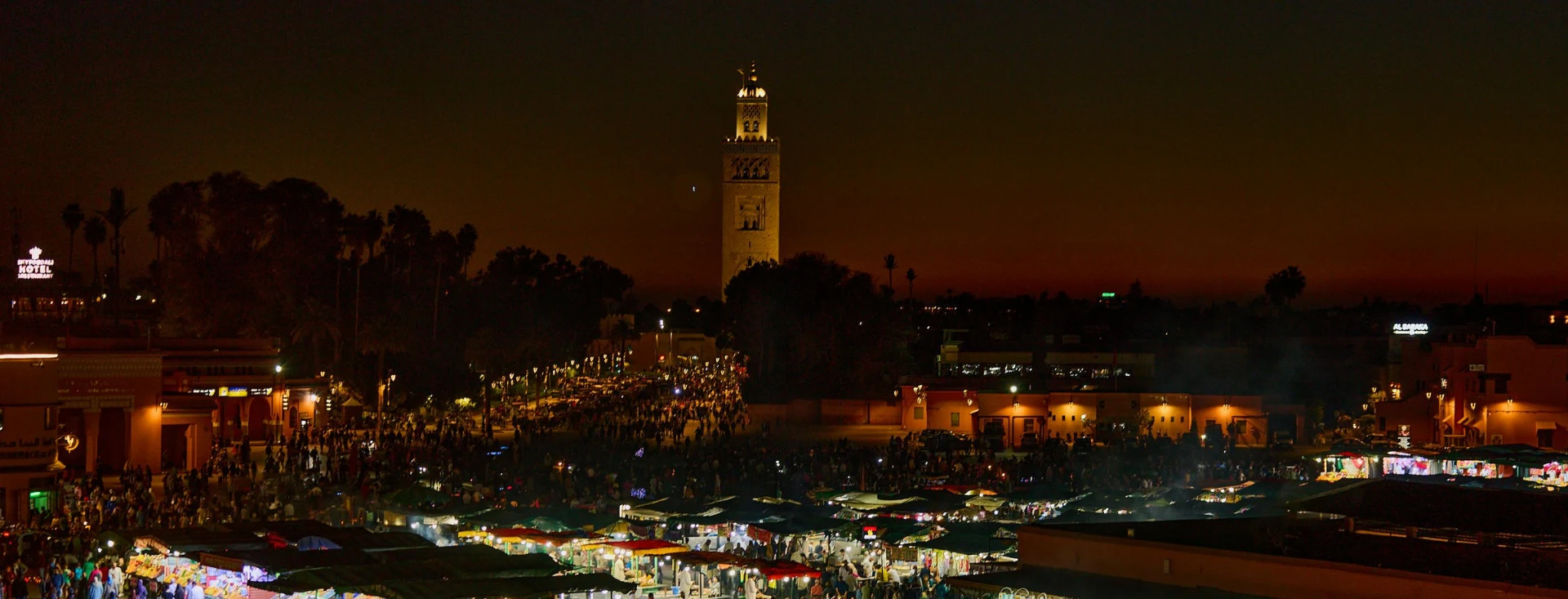
The main tourist areas of Marrakech — Jemaa el-Fna, Gueliz, and the main medina arteries — are busy and well-lit until midnight. Narrow side alleys are best avoided after dark without a guide.
Is the Sahara Desert safe to visit?
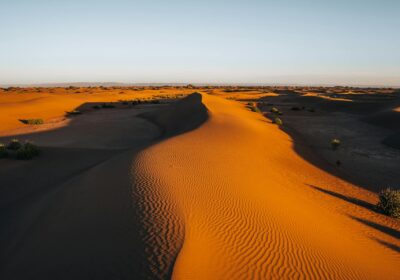
Absolutely. The Merzouga and Erg Chebbi vs Erg Chigaga desert regions are among Morocco’s safest and most visited areas. All reputable best desert camps in Merzouga operate with licensed guides and emergency protocols.
Do I need travel insurance for Morocco?
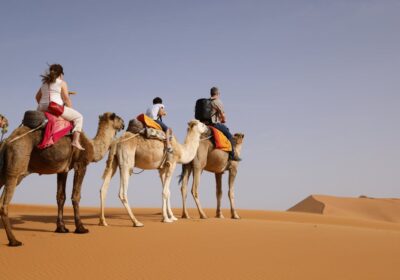
Yes — it’s essential. Ensure it covers medical evacuation, trip cancellation, and adventure activities (camel trekking in Morocco, hiking). Compare policies before departure.
Bottom Line
Morocco rewards prepared travellers enormously. The risks are real but manageable, and the vast majority of visitors — millions per year — leave with nothing but positive memories. Contact our team for destination-specific safety advice for your itinerary.
Further Reading & Official Resources
Further Reading & Official Resources
Plan Your Morocco Trip with Desert Tripper
Desert Tripper is a Marrakech-based tour operator specialising in private Sahara desert tours, city breaks, and custom Morocco itineraries. Our team of licensed local guides has been leading travellers through Morocco’s most extraordinary landscapes for over a decade.
We offer:
- Private 3-day Sahara tours from Marrakech or Fes — fully customised for your group
- Luxury desert camps in Merzouga — private tents, en-suite bathrooms, candlelit dinners in the dunes
- Custom Morocco itineraries — 7, 10, or 14 days, built around your interests and budget
Get a free custom quote — we respond within 12 hours with a tailored itinerary for your dates and group size.