
This complete guide to Morocco in March covers everything you need to know: Why March is one of the best months to visit Morocco — perfect Sahara weather, blooming valleys, and no summer crowds.
March is one of the two best months to visit Morocco — the spring sweet spot where the Sahara is warm but not hot, the Atlas is green and flowing with snowmelt streams, the countryside blooms with wildflowers, and the tourist crowds of April–May haven’t yet arrived. This guide covers what to expect, where to go, and what to pack.
Morocco March Weather by Region
| Region | Daytime Temp | Night Temp | Conditions |
|---|---|---|---|
| Marrakech | 20–24°C | 10–12°C | Sunny, occasional rain |
| Fes | 18–22°C | 8–10°C | Mild, some cloud |
| Sahara (Merzouga) | 24–28°C | 10–12°C | Warm days, cool nights |
| Atlas Mountains day trip | 12–18°C | 2–6°C | Green, snowmelt streams |
| Chefchaouen travel guide | 16–20°C | 8–10°C | Fresh, sometimes rainy |
| Essaouira travel guide | 18–22°C | 12–14°C | Windy, partly cloudy |
Why March Is Exceptional
The Sahara in March
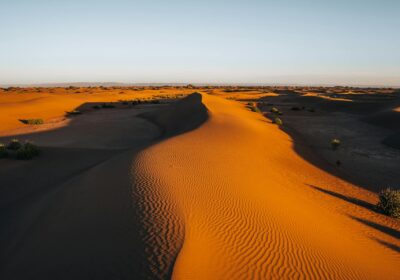
March is close to perfect for the desert. Daytime temperatures of 24–28°C are warm enough for comfortable camel trekking in Morocco without the brutal heat of summer. Nights at 10–12°C require a blanket but are comfortable in a furnished best desert camps in Merzouga. The sand is at its best colour — deep gold-orange in the low sun. The spring light makes dune photography extraordinary. This is the month our guides most recommend for a first Sahara visit.
The Atlas Mountains in Spring
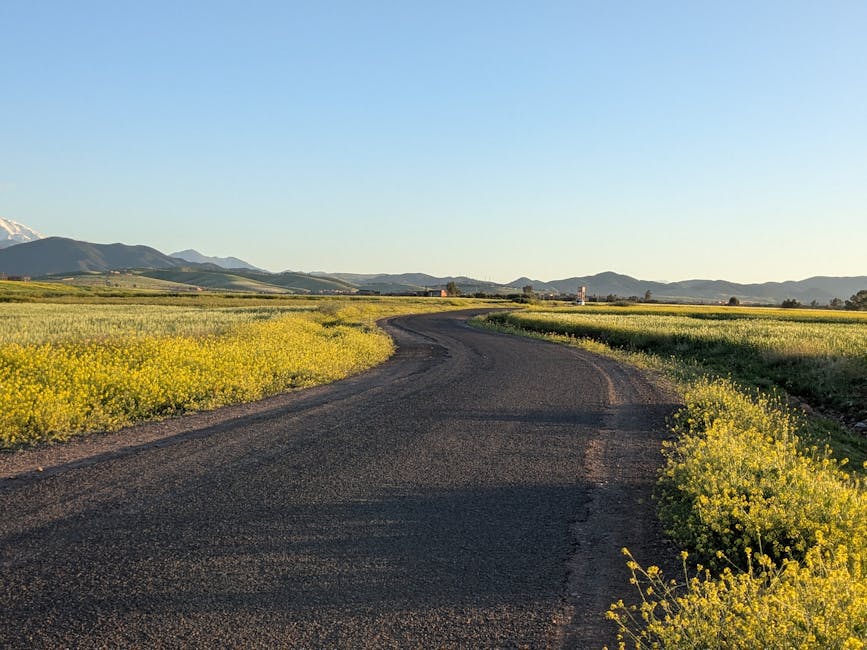
The High Atlas in March is dramatically different from autumn or summer. Snowmelt feeds rushing streams through the valley floors. Wildflowers cover the lower slopes — red poppies, yellow broom, and white asphodel. The Imlil valley (gateway to Mount Toubkal) is exceptionally green. The high passes (Tizi n’Tichka, Tizi n’Test) may still have snow on the very high sections — check conditions before crossing in early March.
The Dadès Valley in Bloom
The Dadès Valley’s rose season begins in late March and peaks in May. By the end of March, the first roses are blooming in Kalaat M’Gouna — the scent in the morning is extraordinary. The Dadès Gorge has water in the river and wildflowers on the canyon floor. See the full guide: Dadès Gorge travel guide.
What to Pack for Morocco in March
- Layers: Temperatures swing 15°C from midday to midnight — bring a fleece or light down jacket for evenings
- Light rain layer: March can bring brief showers, particularly in the north
- Warm layer for desert nights: 10°C nights in the Sahara require a proper layer — don’t underestimate it
- Sunscreen SPF50+: Spring sun is deceptively strong at altitude and in the desert
- Walking shoes: Spring Atlas hiking has muddy sections — trail shoes or light hiking boots
Full list: Morocco packing list
March Events and Festivals
- Marrakech Marathon: Held in late January to mid-February usually, but the training season’s end in March brings runners to the city
- Almond Blossom Festival, Tafraoute: If timing aligns, the Tafraoute Valley almond trees bloom pink in late February–early March — one of Morocco’s most beautiful seasonal spectacles
- Moussems (local festivals): Various saints’ days and local festivals begin in spring — ask your guide about local events near your route
Crowds and Prices in March
March falls in the shoulder season — fewer visitors than April, May, or October, but more than January or February. Accommodation prices are 10–20% lower than peak spring (April–May). Desert camp availability is good. Book flights 4–6 weeks ahead; accommodation 2–4 weeks ahead is generally sufficient, except in Marrakech where the best riads fill fast.
March Itinerary Recommendation
For March specifically:
- Lead with the Sahara (before temperatures climb in April)
- Include the Dadès Valley for the beginning of the rose season
- Add a day in the Atlas to see the snowmelt streams and spring green
- End in Chefchaouen — the blue city in spring light is extraordinary
See the full route: 7-day Morocco itinerary or 10-day Morocco itinerary.
Frequently Asked Questions
Is Morocco hot in March?
No — March in Morocco is pleasantly warm, not hot. Marrakech averages 22°C, the Sahara 26°C. You’ll need a layer for evenings and cool mornings. It’s the ideal climate for walking, hiking, and desert activities.
Does it rain in Morocco in March?
Light rain is possible, particularly in northern Morocco (Fes, Chefchaouen) and on the Atlantic coast (Essaouira). The south (Sahara, Ouarzazate) is almost always dry. Rain typically comes as brief afternoon showers, not all-day rain.
Further Reading & Official Resources
Further Reading & Official Resources
Plan Your Morocco Trip with Desert Tripper
Desert Tripper is a Marrakech-based tour operator specialising in private Sahara desert tours, city breaks, and custom Morocco itineraries. Our team of licensed local guides has been leading travellers through Morocco’s most extraordinary landscapes for over a decade.
We offer:
- Private 3-day Sahara tours from Marrakech or Fes — fully customised for your group
- Luxury desert camps in Merzouga — private tents, en-suite bathrooms, candlelit dinners in the dunes
- Custom Morocco itineraries — 7, 10, or 14 days, built around your interests and budget
Get a free custom quote — we respond within 12 hours with a tailored itinerary for your dates and group size.